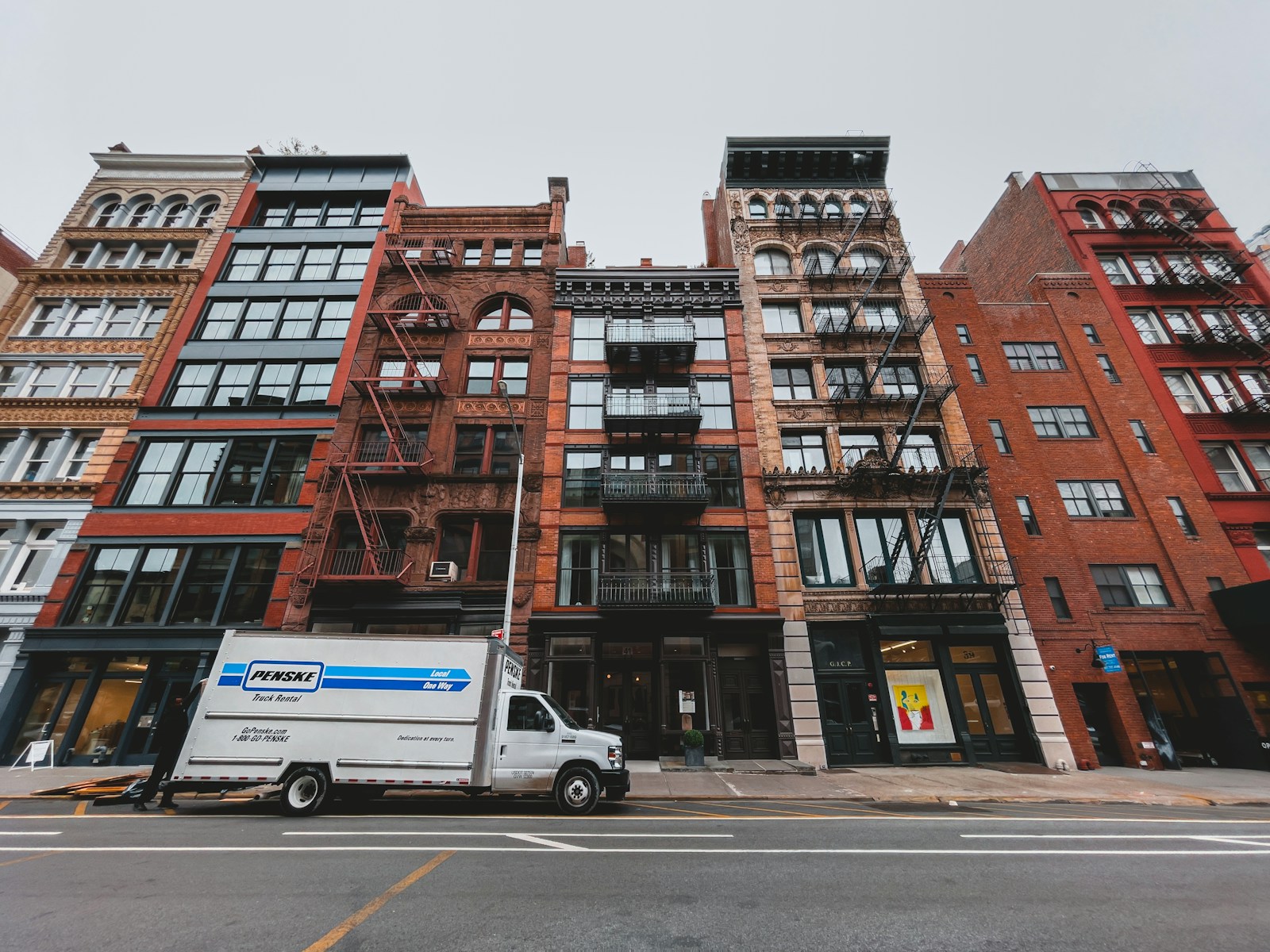
If you’re moving to Victoria in 2026, the “hidden costs” are the expenses beyond your purchase price or monthly rent—things like Property Transfer Tax, legal fees, strata move fees, ferry costs, utility setup, insurance, and City permits. As a practical rule, many buyers choose to set aside tens of thousands for closing + move-in setup (especially on higher-priced homes), while renters often budget several thousand for deposits, movers, and first-month setup. Your exact total depends on your home price, whether you’re crossing the water, and how much “right-sizing” you plan to do.
What are the most common “hidden costs” when moving to Victoria in 2026?
Most people plan for movers and boxes—but get surprised by:
Property Transfer Tax (PTT) if you’re buying
Legal/notary and Land Title costs
Home inspection + specialist inspections
Strata move-in/move-out fees and elevator bookings (condos/townhomes)
BC Ferries costs (and multiple trips during the transition)
Parking/Street reservation permits for moving trucks in tighter areas like James Bay, Fairfield, and parts of Oak Bay
Utility bills and service charges that don’t feel “hidden” until they land
Insurance changes (home + strata + vehicle)
Storage, disposal, and “make it fit” purchases (new furniture, minor renovations, accessibility updates)
Total “hidden cost” ranges you can use to plan (with real-world examples)
These are planning ranges to help you avoid surprises. Your numbers will vary by distance, home size, timing, and building rules.
If you’re renting in Victoria (typical planning range)
Estimated “hidden costs” to move in: $2,500–$12,000+
What drives the total:
Security deposit (up to ½ month’s rent) and, if applicable, pet deposit (up to ½ month’s rent)
Movers (or truck rental + help)
Possible strata move-in/out fees (if the rental is in a strata building)
Ferry + fuel + accommodation if you’re coming from the Mainland
Utility/internet setup, cleaning, and basic household purchases
(Deposit rules and fee limits vary by situation; review provincial guidance and your agreement.)
If you’re buying in Victoria (typical planning range)
Estimated “hidden costs” to move in: $15,000–$80,000+ (often higher on premium properties)
What drives the total:
PTT (often the biggest line item)
Legal/notary + Land Title items
Inspection(s)
Adjustments on closing (property tax, utilities, strata, etc.)
Movers, permits, ferry, storage, initial maintenance
(PTT is formula-based and depends on your purchase price; examples below.)
How much is Property Transfer Tax in BC in 2026 (and what does that mean in dollars)?
BC’s PTT is calculated on fair market value at registration. In addition to the general rates, there’s a further 2% tax on the residential portion over $3,000,000.
General BC PTT rates (at a glance)
1% on the first $200,000
2% on $200,000–$2,000,000
3% on amounts over $2,000,000
Further 2% on the residential portion over $3,000,000
Quick example totals (for clarity)
These are PTT only (not including legal fees, inspections, etc.):
$900,000 purchase:
1% of $200,000 = $2,000
2% of $700,000 = $14,000
Estimated PTT: $16,000
$1,500,000 purchase:
1% of $200,000 = $2,000
2% of $1,300,000 = $26,000
Estimated PTT: $28,000
$2,500,000 purchase:
1% of $200,000 = $2,000
2% of $1,800,000 = $36,000
3% of $500,000 = $15,000
Estimated PTT: $53,000
$3,500,000 purchase:
General PTT:
1% of $200,000 = $2,000
2% of $1,800,000 = $36,000
3% of $1,500,000 = $45,000
Subtotal = $83,000
Further 2% on $500,000 (over $3,000,000) = $10,000
Estimated PTT: $93,000
Important note: There are exemptions and special rules in some cases. Please consult a qualified accountant or lawyer for specific advice.
What are typical “closing costs” beyond PTT?
Closing costs vary, but buyers commonly budget for:
Legal or notary fees + disbursements
Land Title registration items
Home inspection
Appraisal (sometimes required by lenders)
Title insurance (common in many transactions)
Many buyer guides estimate legal fees often fall roughly in the $800–$2,000 range depending on complexity and what’s included, but every file is different—especially with strata, estates, or multiple titles.
Please consult a qualified accountant or lawyer for specific advice.
How much do home inspections cost in Victoria?
Inspection pricing varies by home size, age, and add-ons (radon, sewer scope, etc.). In Victoria, many inspection providers list pricing that commonly lands in the hundreds of dollars, with larger/older homes typically costing more.
Downsizers’ tip: In areas like Rockland, Fairfield, and parts of Oak Bay where homes can be older, it can be wise to budget for specialist follow-ups (roofing, electrical, plumbing, drainage), depending on what the general inspection surfaces.
What are strata-related moving costs (and why do they surprise people)?
If you’re moving into a condo or townhouse—common in James Bay, Fairfield, Vic West, and parts of Gordon Head and Broadmead—your building may have:
Move-in/move-out fees (non-refundable)
Required booking windows (weekday-only moves, limited hours)
Elevator reservations or padding requirements
Proof of insurance requirements for movers
BC tribunals have found some move-in fees unreasonable in certain circumstances, which is a helpful reminder to review bylaws and ask what the fee covers.
No-pressure checklist to request (before you commit):
Current strata bylaws and move procedures
Fee schedule (move-in, move-out, elevator booking)
Any restriction on truck size or parking
Whether weekend moves cost more
How much do movers cost in Victoria in 2026?
Costs vary by season and complexity (stairs, elevators, long carries). Many Victoria movers advertise hourly pricing for a crew + truck, often with minimum hours.
Typical add-ons people forget to budget for
Packing/unpacking services
Mattress bags, wardrobe boxes, and specialty crating
Disposal fees (especially after downsizing)
Storage (even 2–6 weeks can add up)
Elevator booking constraints (more hours = more cost)
Ferry and “transition travel” costs: the quiet budget buster
If you’re moving from Metro Vancouver or doing repeated trips (keys, measurements, staging your old home), the ferry can become a real line item.
BC Ferries’ Saver fares for a standard vehicle + driver on major routes (including Tsawwassen–Swartz Bay) have been advertised within a range and are time-limited/conditions-based.
Practical planning tip: Budget for:
At least one round trip during the move window
Potential extra trips for measurements, contractors, or cleaning
One night of accommodation if timing doesn’t line up (common during tight possession dates)
City permits and parking reservations: especially relevant in Victoria and Oak Bay
If you’re moving into areas with narrower streets or heavy parking pressure (James Bay, Fairfield, Fernwood, parts of Downtown), you may need to reserve curb space.
The City of Victoria lists fees for reserving street parking for moves, including:
A parking reservation fee per permit
Daily fees per reserved metered or non-metered space
This is one of those “small” items that feels large when it’s added onto movers, ferries, and storage.
Utilities in 2026: what your first bills might look like
Utility costs depend on home size, efficiency, and usage, but two things matter for budgeting:
Service charges (fixed daily/monthly costs)
Rates that can change year to year
Electricity (BC Hydro)
BC Hydro’s residential tiered pricing includes a daily basic charge and tiered energy charges.
Natural gas (FortisBC)
FortisBC lists a daily basic charge plus delivery and gas costs; FortisBC has also announced rate changes effective January 1, 2026 (so it’s worth checking current rates when you’re planning).
Water and sewer (City of Victoria example)
Rates vary by municipality (Victoria vs. Saanich vs. Oak Bay), but if you’re in the City of Victoria, published 2026 rates include:
Water consumption rate per unit and service charges
Sewer rates that vary seasonally
Insurance and transportation costs that change when you move
ICBC (vehicle insurance)
ICBC has announced no increase to basic auto insurance rates through to spring 2027, though individual premiums can still vary based on driver, vehicle, and territory.
Strata insurance and your monthly strata fees
Strata insurance conditions can influence strata fees, but the market can shift—some reporting in 2025 suggested premiums were easing for certain buildings.
Practical question to ask (especially for downsizers):
“What has changed in strata fees over the last 2–3 years, and why?”
A hidden cost many families overlook: “right-sizing” after you arrive
Even a well-planned move often triggers follow-on spending:
New furniture to fit a condo footprint
Window coverings and lighting (often not included)
Minor renovations or accessibility upgrades (railings, walk-in shower planning, lever handles)
Landscaping changes (low-maintenance conversions)
Trades scheduling premiums if you need work done quickly
This is especially common for people moving from larger Saanich Peninsula homes into walkable neighbourhoods like Fairfield or James Bay—close to cafés like Hey Happy or Discovery Coffee—where lifestyle improves, but space gets tighter.
What about vacancy-related taxes or special property tax considerations?
If you’re buying a second home, leaving a property vacant, or splitting time between communities, it’s important to understand BC’s Speculation and Vacancy Tax rules and rates for 2026 and beyond.
Please consult a qualified accountant or lawyer for specific advice.
A simple “no surprises” budget planner (printable-style checklist)
Step 1: Choose your move type
Rental move
Purchase move
Condo/townhome with strata rules
Step 2: Add your predictable costs
Movers / truck / packing
Ferry + fuel + accommodation
Cleaning + junk removal
Storage (if needed)
Step 3: Add your “Victoria-specific” items
City parking reservation permit (if needed)
Strata move fees (if applicable)
Utilities setup + first bills (power, gas, water/sewer)
Insurance updates (home + vehicle)
Step 4: If buying, add your closing-cost bucket
PTT (calculate from price)
Legal/notary + disbursements
Inspection(s)
Helpful links:
Next Step
Thinking about moving to Victoria in 2026 and want a realistic, no-pressure cost plan for your specific neighbourhood—Oak Bay, Fairfield, Broadmead, Gordon Head, Brentwood Bay, or Sidney? Reach out to The Webbers for a no-pressure conversation.